Showing posts with label Ethics. Show all posts

Sunday, July 13, 2025

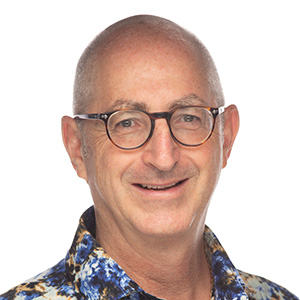
The Evolving Landscape of Social Work Practice: Technology, Advocacy, and the Interstate Compact with NASW CEO Dr. Anthony Estreet

[Episode 146] In today’s episode of the Social Work Podcast I talk with NASW CEO, Dr. Anthony Estreet, about what he sees as some of the most pressing issues shaping the future of social work. These include the rapid evolution of Artificial Intelligence (AI), the urgent need for social workers to organize and advocate, the Social Work Interstate Compact, and NASW's renewed vision for the organization. 

Bio 

Anthony Estreet, PhD, MBA, LCSW-C, earned a bachelor’s in science in psychology from Bowie State University, an MSW at Virginia Commonwealth University, a doctorate in social work at Morgan State University, and an MBA at the University Maryland-College Park. He is a member of Alpha Phi Alpha, the oldest intercollegiate African American fraternity.

He has been a professor and chair of the Master of Social Work Program at Morgan State University since 2013. Estreet is also founder and chief executive officer of Next Step Treatment Center in Baltimore, which provides substance use treatment and mental health services. He was vice president of the NASW Board of Directors but stepped down from that role after being considered a candidate in the search process. Estreet also served as president of the NASW Maryland Chapter and is an active member of the Council on Social Work Education and the National Association of Black Social Workers.  

Download MP3 [24:00]

Sunday, July 6, 2025

Experimental Research Design (Part 2): Interview with Bruce Thyer, PhD, LCSW

Photo of Bruce Thyer
[Episode 145] Today’s episode is the third of a three-part series on research design (and the second of a two-part series on Experimental Research Design) with Dr. Bruce Thyer, Distinguished Research Professor and former Dean with the College of Social Work at Florida State University.
 
Dr. Thyer is a Distinguished Research Professor and former Dean with the College of Social Work at Florida State University. He is also an Extra-Ordinary Professor with North-West University in the Republic of South Africa and an adjunct faculty member with the Tulane University School of Social Work. Previously he held the position of Distinguished Research Professor at the University of Georgia. Dr. Thyer received his MSW from the University of Georgia and his Ph.D. in Social Work and Psychology from the University of Michigan. He is a Licensed Clinical Social Worker in Florida and Georgia and he is a Board Certified Behavior Analyst. Dr. Thyer has been a long-term promoter of the evidence-based practice model within social work. His work is largely informed by social learning theory and has taken a recent turn in the direction of exposing and discouraging pseudoscientific theories, interventions and assessment methods within social work practice.

Download MP3 [19:16]

Wednesday, May 22, 2024

The Role of AI in Child Welfare and Community Organizing: Interview with ChatGPT-4o

[Episode 137] In today's Social Work Podcast, I speak with ChatGPT-4o about the role of AI in child welfare and community organizing and how we can use Bronfenbrenner's ecosystems framework and an antiracist perspective. That's right. I'm interviewing OpenAI's LLM, ChatGPT-4o. 

On May 13th, 2024, OpenAI released the Omni version of ChatGPT4. This was a big step forward in processing speed. You could input video audio sort of visuals data all sorts of things and it could analyze it almost in real time. I've been playing around with ChatGpt-4, the earlier version, and you know talking to it on the app and there was always a significant delay as it was thinking through things and kind of coming up with a response. But the Omni version, the response is basically in real time, and I thought what better moment than now to interview ChatGPT, because you'll hear a little bit of the thinking, right? It’ll be a slight delay but no more than you would for any live human guests on the social work podcast.

Unlike a human guest, I didn't have to coordinate schedules. All I did was I took my phone, I clicked on the app, I hit the little headset icon which activated the voice input, and I held up my phone to my microphone so that I was recording my voice like I am now, and then ChatGPT just coming right out of my phone into the speaker. So, it's good audio. it's not rich deep audio like I like to have, but you know when you record over Zoom or Skype or any of the other things that I've done in the past again it's not pristine audio either, but it's pretty good

This is the first time I've interviewed a chatbot. I'd love to hear your thoughts about the interview. Please text me or leave a voicemail for me at (215) 948-2456. If you leave a voicemail, please let me know if you're ok with me including your message as part of a follow-up podcast episode.

Download MP3 [31:02]

Wednesday, May 26, 2021

Self-care and Cultural Humility in the 2021 NASW Code of Ethics: Interview with Allan Barsky, MSW Ph.D.

Allan Barsky [Episode 130] Today’s episode is about the 2021 revision of the NASW Code of Ethics to include self-care and cultural humility. To unpack these two new additions, I spoke with Allan Barsky, Professor of Social Work at Florida Atlantic University and former Chair of the National Ethics Committee of the National Association of Social Workers. 

Bio [CV]

Allan Barsky received his Ph.D. from the University of Toronto Faculty of Social Work, his MSW from the Wurzweiler School of Social Work at Yeshiva University, and his Juris Doctor from the University of Toronto Faculty of Law. His teaching and research interests include social work practice theory and skill development, pedagogy, conflict resolution, professional ethics, and substance abuse. His book credits include Ethics and Values in Social Work (Oxford University Press), Clinicians in Court (Guilford Press), Conflict Resolution for the Helping Professions (Oxford University Press), Interprofessional Practice with Diverse Populations (Greenwood), Successful Social Work Education: A Student’s Guide (Cengage), and Alcohol, Other Drugs and Addictions (Cengage). Dr. Barsky was awarded the “Distinguished Teacher of the Year” by CDSI students in 2005 and 2020, the “Researcher of the Year – Scholarly and Creative Works” by FAU in 2007, and FAU Scholar of the Year in 2020. Dr. Barsky chaired the National Association of Social Workers “Code of Ethics Review Committee” (2016-2017) and was awarded NASW’s “Excellence in Ethics Award” (2015).

Download MP3 [33:40]

Sunday, July 19, 2020

Both/And or Either/Or: Social Work and Policing


[Episode 127]. Today’s episode is the audio recording of a Facebook Live discussion that happened on Tuesday, July 14, 2020 called Both/And or Either/Or: Social Work and Policing. Following the murder of George Floyd on May 25, 2020 and countless other Black people by police over the past 200 plus years, two perspectives have emerged about social work's role with law enforcement. To be sure, these perspectives have been articulated for years. But in the midst of the largest and most sustained period of protests against systemic racism and support for Black Lives, these two perspectives gained particular traction after social work leaders published opinion pieces on Medium.com. The either/or perspective, articulated by UCLA social work chair Laura Abrams and University of Houston social work Dean Alan Dettlaff in a June 18, 2020 open letter to NASW and Allied Organizations, argued that "social work can either continue to invest in and collaborate with police OR affirm that #BlackLivesMatter." This letter was signed by over 1,400 social workers (full transparency, I was one of the signatories) and delivered to NASW. The Both/And perspective was articulated in a Medium.com post on June 30, 2020 by Darlyne Bailey, Charles E. Lewis, Steve Burghardt, and Terry Mizrahi. They argued that "we need to break from binary slogans of 'defunding' and replace them with a transformative platform tied to  reinvesting in social services, training guardians not warriors, and ending all forms of racial injustice in law enforcement, sentencing, incarceration, parole and probation.


Download MP3 [1:00:49]

Tuesday, January 9, 2018

2018 NASW Code of Ethics (Part 3): Interview with Allan Barsky, JD, MSW, PhD

[Episode 115] Today's episode of the Social Work Podcast is the third of a three-part series on the 2018 National Association of Social Workers Code of Ethics. I spoke with Allan Barsky, JD, MSW, PhD (whom you might remember from Episode 78 on social work ethics and Episode 76 about social workers in court).

In today's episode, Allan and I talked about 1.06(g) – professional affiliations and the removal of the word “disability."  Allan talks about the difference between baseline standards – don’t have sex with your clients, and aspirational standards – the ideal world in which, for example, we will always be promoting social justice. We talked about section 1.15 – disruption in electronic communications. We ended with a discussion of resources, such as the free NASW webinar on changes to the 2018 NASW Code of Ethics, and ways that you can provide feedback about things that you like or don’t like about the 2018 NASW Code of Ethics. Allan encourages people to be involved in the many online discussions of ethics. He encouraged folks to read and write articles for the Journal of Social Work Values and Ethics and other sites.


Download MP3 [24:48]


Friday, January 5, 2018

2018 NASW Code of Ethics (Part 2): Interview with Allan Barsky, JD, MSW, PhD

[Episode 114] Today's episode of the Social Work Podcast is the second of a three-part series on the 2018 National Association of Social Workers Code of Ethics. I spoke with Allan Barsky, JD, MSW, PhD (whom you might remember from Episode 78 on social work ethics and Episode 76 about social workers in court).

In today’s episode, Part 2, Allan and I talk about Section 1.05, cultural competence and whether online communities fall under the ethical standard of cultural competence. Allan mentions the NASW 2016 Standards and Indicators for Cultural Competence.  A few minutes later I mention the 2017 NASW, ASWB, CSWE, & CSWA Standards for Technology in Social Work Practice, and feedback that the Tech Standards and the 2018 Code of Ethics painted technology as problematic. Spoiler alert: Allan disagreed. All of the NASW Practice Standards & Guidelines can be found on the NASW website.  We talk about section 1.04(e), knowing the laws in your jurisdiction and the one where your client lives and how that affects practicing across state lines with or without technology.

In Part 1, episode 113, we provided a historical overview of the NASW Code of Ethics and discusses why the NASW Code of Ethics was revised for 2018. Then, Allan and I talk about Section 1.03, Informed Consent, and specifically subsection “i” which has to do with electronic searches.

In Part 3, episode 115, we talk about 1.06(g) – professional affiliations, and the removal of the word “disability”. We talk about 1.15 – disruption in electronic communications. We end Part 3 with a discussion of resources for folks who want to learn more about the NASW Code of Ethics, and ethical issues in social work practice.


Download MP3 [23:27]


Wednesday, January 3, 2018

2018 NASW Code of Ethics (Part 1): Interview with Allan Barsky, JD, MSW, PhD

[Episode 113] Today's episode of the Social Work Podcast is the first of a three-part series on the 2018 National Association of Social Workers Code of Ethics. I spoke with Allan Barsky, JD, MSW, PhD (whom you might remember from Episode 78 on social work ethics and Episode 76 about social workers in court). In Part 1 we provide a historical overview of the NASW Code of Ethics and discusses why the NASW Code of Ethics was revised for 2018. Then, Allan and I talk about Section 1.03, Informed Consent, and specifically subsection “i” which has to do with electronic searches.

In Part 2, episode 114, we talk about Section 1.04(e) knowing the laws in your jurisdiction and the one where your client lives and how that affects practicing across state lines with or without technology.  We also talk about 1.05, cultural competence.

In Part 3, episode 115, we talk about 1.06(g) – professional affiliations, and the removal of the word “disability”. We talk about 1.15 – disruption in electronic communications. We end Part 3 with a discussion of resources for folks who want to learn more about the NASW Code of Ethics, and ethical issues in social work practice.

Download MP3 [27:00]

Sunday, February 19, 2017

Death and Grief in the Digital Age: Interview with Carla Sofka, Ph.D.

[Episode 109] Today’s episode of the Social Work Podcast is about Death and Grief in the Digital Age. I spoke with Dr. Carla Sofka, professor of Social Work at Siena College. Dr. Sofka has been studying and writing about the intersection of technology and death and grief since the earliest days of the world wide web. Her edited 2012 text, Dying, Death and Grief in an Online Universe, looks at how changes in communication technology have revolutionized the field of thanatology.

In today’s episode we talk about the role of social media in how, why, where and when, who we grieve. She shares stories of people whose loved ones have died, only to find out that because of social media they are the last to know. Carla provides some digital literacy around death and grief in the digital age. She talks about social media posts as death notifications, about establishing digital advance directives and thinking about our digital dust.

She talks about STUG reactions which are Sudden Temporary Upsurges of Grief. I had never heard of a STUG reaction, but I actually had one during our conversation. You’ll hear me talk about college friend of mine who died several years ago and during the interview start to tear up as I recalled getting a Facebook notification that it was her birthday.  We then talked about internet ghosts, memorial pages, memorial trolls, how and when people should respond to death notices online and what that means for the loved ones. She suggests that just as we provide sex education to kids, we should be providing death education.  She also recommends including technology assessment in the standard biopsychosocialspiritual assessment. We ended our conversation talking about resources for mental health professionals who want to learn more.

Download MP3 [34:14]


Monday, January 25, 2016

Critiques of the DSM-5: Interview with Jeffrey Lacasse, Ph.D.

[Episode 101] Today's episode of the Social Work Podcast is a critique of the  Diagnostic and Statistical Manual of Mental Disorders, 5th Edition: DSM-5.

The most basic critique of the DSM-5 is the same critique that has been levied against psychiatry for decades: that it does nothing more than medicalize or pathologize normal behavior. So is it ever ok to say that someone isn’t normal? Are there ever situations where giving a diagnosis is good? As it turns out, yes. And I’m not just talking about diagnosis as a means to finance treatment. Yes, third party reimbursement hinges on diagnosis. But I’m talking about something less institutional and more personal. There are people who like labels, who find comfort in being able to name or label what is wrong. The label draws a boundary around an experience. Labels can even draw up boundaries around a group of people. According to psychologist Gary Greenberg, “[the label] Asperger’s syndrome gave people whose primary symptom was isolation a way to belong and provided resources to those who were diagnosed” (Reese, 2013).

Download MP3 [37:19]


So, I know what you are wondering - is DSM diagnosis good or bad? Well, today’s episode won’t be the definitive answer to that question. But, it will give you cause to pause when you think about the role of DSM-5 in the professional life of social workers and the people we serve. My guest is social work faculty member from Florida State University, Jeffrey Lacasse, Ph.D. Dr. Lacasse has published several critiques of the changes in DSM-5. In today's episode, Dr. Lacasse critiques the definition of mental illness, the empirical support for and reliability of most diagnoses, the politics associated with the DSM and the implications for social workers who represent the single largest group of professionals who provide DSM diagnoses.


Monday, November 2, 2015

Becoming a Clinical Social Worker: Interview with Dr. Danna Bodenheimer

[Episode 99] Today’s episode of the Social Work Podcast is about becoming a clinical social worker. My guest, Dr. Danna Bodenheimer, is the author of Real World Clinical Social Work: Find Your Voice and Find Your Way published by New Social Worker Press.


Download MP3 [35:48]

In today's interview Danna and I talk about what makes a social worker a clinical social worker, what distinguishes a good from a bad clinical social worker, the one essential thing that all social workers bring to supervision, and the role of narcissism, observing ego, transference, counter-transference and the real relationship in clinical social work. We end with a discussion of money and how social workers need to earn enough so they can be present with their clients.

Tuesday, July 8, 2014

Beginnings, Middles, and Ends: Stories about Social Work from Ogden Rogers, Ph.D.

Beginnings, Middles, & Ends: Sideways Stories on the Art & Soul of Social Work
[Episode 87] In today's social work podcast, we're looking at the beginning, middle, and end of social work. No, this is not an apocalyptic tale of burning towers of progress notes and zombie utilization managers... although that does sound kind of interesting. No. Today’s episode is much more innocent than that. Ask any social worker, first year undergrad or emeritus professor, “what are the most basic phases of social work?” They will tell you: beginning, middle, and end. In today's Social Work Podcast we hear excerpts from a collection of poems and short stories called Beginnings, Middles & Ends: Sideways Stories on the Art & Soul of Social Work, written by Ogden W. Rogers, Ph.D., LCSW, ACSW, Professor and Chair of the Department of Social Work at The University of Wisconsin-River Falls, and published in 2013 by White Hat Communications. Ogden has written a beautiful little collection of stories from his 30 years of social work experience. Of the 99 stories in his collection, we’ll hear six, two each from Beginnings, Middles, and Ends. 


Monday, March 11, 2013

Social Work Ethics: Interview with Allan Barsky, JD, MSW, PhD

[Episode 78]  Today's episode is on social work ethics. Every social worker knows that our profession has, at its foundation, a Code of Ethics (NASW, 1996/2008) that informs our decisions. Most social workers know what is right and wrong. The greatest ethical challenges arise when there is no clear answer – in other words, there may be no clear right or wrong, or the worker may have to choose between the lesser of two evils. In other words, it’s an ethical dilemma.

To get some clarity on how social workers should go about managing ethical dilemmas, I spoke with Allan Barsky. You might remember Allan from Episodes 76, when I we discussed Social Workers in the Court. You might also recognize him from his ethics column in The New Social Worker online or you might have even heard him talk about Ethical Issues in End of Life Care in that other social work podcast from the University of Buffalo, The inSocialWork Podcast. (It's a fabulous podcast, so I would recommend that you check it out). Finally, you might know Allan from his books, Clinicians in Court or the book that we are going to be talking about today, Ethics and Values in Social Work.

Clearly, Allan is kind of ubiquitous when it comes to ethics, so I figured he's a good person to talk to. In today's interview, we discussed Allan's relational 6-stage model of managing ethical issues. We also talked about dual relationships, role-played an ethical situation, and analyzed the role play. We ended our conversation with a discussion of additional ethics resources for social workers.

If you want to find additional references and resources, as well as a transcript of my conversation with Allan, please go to the Social Work Podcast website at socialworkpodcast.com. If you want to join the conversation about clinicians in court, go to our Facebook page at Facebook.com/swpodcast. If you’re on Twitter, you can follow the podcast at twitter.com/socworkpodcast. And now, without further ado, on to Episode 78 of the Social Work Podcast: Social Work Ethics: Interview with Allan Barsky.

Tuesday, December 18, 2012

Social Workers in Court: Interview with Allan Barsky, JD, MSW, PhD

[Episode 76] In today’s interview, Allan and I talked about what it means for a social worker to be “court ready,” especially for social workers whose jobs do not typically involve going to court. We talked about the difference between forensic social workers and social workers who have to appear in court. Allan talked about the difference between client confidentiality and client privilege, between being a witness and an expert witness, and between preparing for legal proceedings and disciplinary proceedings. He gave some pointers on how social workers should respond to a subpoena. I asked him about what for many clinicians is the most stressful part of going to court - examination and cross-examination. We talked about how social workers can prepare for it, including some strategies for dealing with “tough questions” during a cross-examination. We ended our conversation with Allan providing some resources for social workers who want to know more. If you want to find additional references and resources, as well as a transcript of my conversation with Allan, please go to the Social Work Podcast website at socialworkpodcast.com. If you want to join the conversation about clinicians in court, go to our Facebook page at Facebook.com/swpodcast. If you’re on Twitter, you can follow the podcast at twitter.com/socworkpodcast. And now, without further ado, on to Episode 76 of the Social Work Podcast: Social Workers in Court: Interview with Allan Barsky.